
How to Sell Jewelry on Shopify in 7 Steps: Full Guide for Beginners in 2026
How to sell jewelry on Shopify is a common question for beginners who want to start an online jewelry business in 2026. Jewelry is a competitive market, and success depends on choosing the right products, presenting them clearly, and building trust with buyers from the start.
This guide breaks the process into 7 clear steps:
- Step 1: Decide what kind of jewelry you should sell
- Step 2: Source or create jewelry that can actually scale
- Step 3: Set up your Shopify store the right way
- Step 4: Create jewelry product pages that convince buyers
- Step 5: Price jewelry for profit
- Step 6: Set up payments, shipping, and fulfillment
- Step 7: Market and promote your jewelry store
Each step focuses on practical actions that help beginners avoid common mistakes and build a Shopify jewelry store that can grow steadily over time.
Is Selling Jewelry on Shopify Worth It in 2026?
Yes – selling jewelry on Shopify is still worth it in 2026, but only if you approach it with realistic expectations and a clear strategy. The jewelry market remains competitive, yet demand continues to grow for niche-focused, well-branded, and trust-driven stores, especially in categories like personalized, minimalist, and meaning-based jewelry.
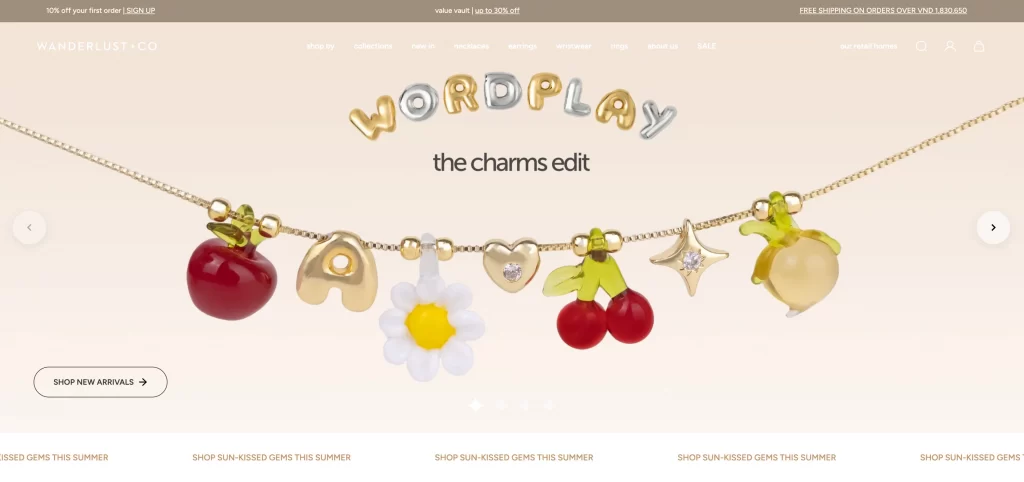
Shopify itself is not the deciding factor; product–market fit and execution are. Sellers who succeed tend to validate demand early, present products with exceptional clarity (photos, sizing, materials), and build trust through branding, policies, and reviews. On the other hand, stores that rely solely on generic designs, low prices, or paid ads without differentiation often struggle.
In short, Shopify is a strong platform, but profitability in 2026 depends on choosing the right jewelry niche, pricing for margin (not volume), and treating trust as a core growth lever rather than an afterthought.
How to Sell Jewelry on Shopify in 7 Steps
The seven steps below guide you from choosing the right type of jewelry to making your first sales and growing sustainably. Each step builds on the previous one, helping you avoid common beginner mistakes and focus on what matters most at each stage.
Step 1: Decide what kind of jewelry you should sell
The first step is choosing a clear type of jewelry and a specific audience. Jewelry is a crowded market, so a store without a clear focus is hard for customers to trust or remember.
A strong jewelry store usually focuses on one main style or idea. This focus is often the first step in a handmade jewelry business plan or any clear jewelry business plan sample, because it helps customers quickly understand what the brand stands for and who it is for.
To make this decision easier, the table below shows common jewelry niches and when each one makes sense.
| Jewelry type | Best for | Typical buyer | Key consideration |
| Personalized jewelry | Gifts and special occasions | Gift buyers, couples | Requires clear customization process |
| Minimalist jewelry | Everyday wear | Young professionals | Branding and consistency matter more than price |
| Handmade jewelry | Unique and artistic styles | Niche buyers | Limited scale and production time |
| Symbolic or meaning based jewelry | Emotional or spiritual value | Repeat buyers | Strong storytelling and trust are required |
After choosing a jewelry type, it is important to understand who will buy it. Some customers buy jewelry as gifts, while others look for items they can wear daily. Age, budget, and buying reason all affect product choice and pricing.
Before building the store, it helps to check interest early. Similar stores, search trends, and social media activity can show demand. Feedback from friends or small groups can also confirm whether the idea is worth moving forward.
Step 2: Source or create jewelry that can actually scale
After choosing the type of jewelry to sell, the next decision is how the jewelry will be made or sourced. This choice directly affects product quality, pricing, delivery speed, and how easily the business can grow.
There are three common sourcing options, and each works well in different situations. For example, someone learning how to start a gold jewelry business may rely more on trusted suppliers, while handmade sellers often begin with small batches they can control.
| Sourcing method | Main advantage | Main limitation |
| Handmade jewelry | Full control over quality and design | Hard to scale and time intensive |
| Suppliers or wholesalers | Consistent quality and higher volume | Less design flexibility |
| Jewelry dropshipping | No inventory or storage needed | Limited quality control and slower shipping |
Consistency matters regardless of the method. Customers expect the same materials, finishes, and packaging every time they order. Inconsistent quality often leads to returns and negative reviews.
Production capacity and cost should also be considered early. When demand increases, the sourcing method must handle more orders without causing delays or reducing quality. A scalable sourcing choice helps the store grow smoothly instead of creating problems later.
Step 3: Set up your Shopify store the right way
Once the jewelry products are ready, the next step is building a Shopify store that looks professional and easy to use. A clean and simple store helps customers feel confident about buying jewelry online.
A mobile friendly theme is important because many customers browse and shop on their phones. The design should focus on product photos and avoid clutter that distracts from the jewelry. Clear menus and simple navigation help customers move through the store without confusion.
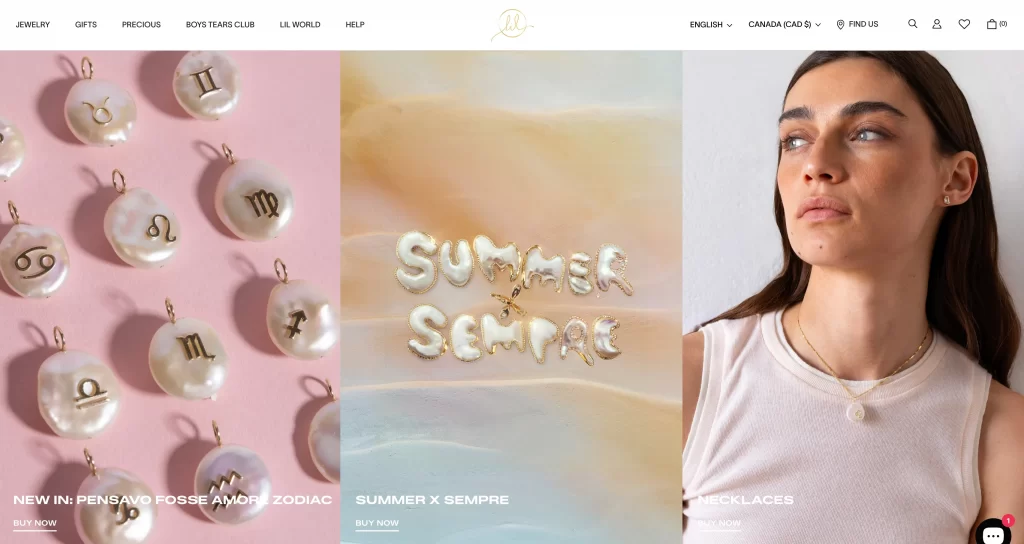
The store should include essential pages such as About, Contact, Shipping, and Returns. These pages show that the business is real and trustworthy. Many buyers check this information before making a purchase.
A step by step guide on creating pages in Shopify is available here: 👉 How to Add Pages on Shopify
Products should then be grouped into clear collections, such as rings, necklaces, or new arrivals. Collections make browsing easier and help customers find what they want faster. This guide explains how to create collections in Shopify: 👉 How to Add Collections on Shopify
Step 4: Create jewelry product pages that convince buyers
A jewelry product page must help customers feel confident about buying without seeing the item in person. Clear information and strong visuals reduce doubt and increase trust.
Each product page should include high-quality photos from multiple angles. Photos should show the jewelry clearly, show how it looks when worn, and help customers understand size and details. Blurry or limited images often stop buyers from moving forward.
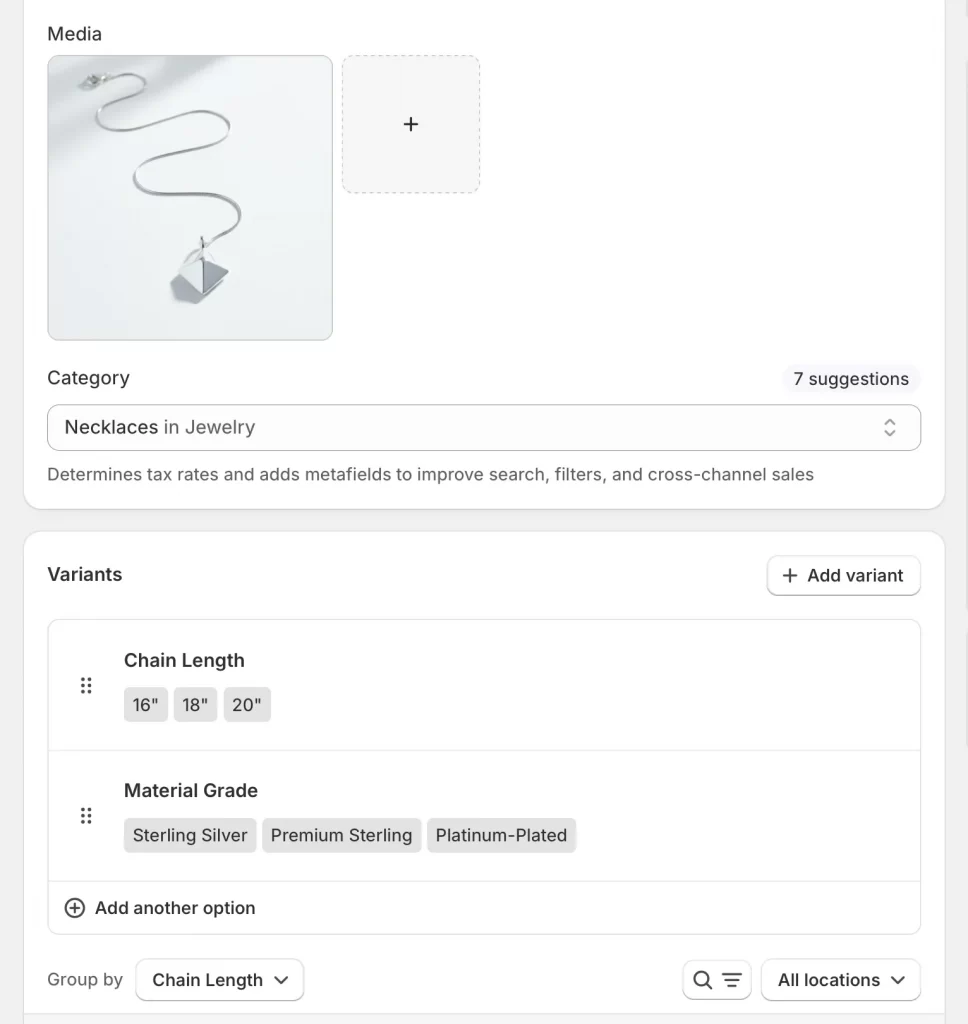
The product description should explain materials, dimensions, finishes, and care instructions in simple language. Customers want to know exactly what they will receive. Clear details reduce questions, returns, and hesitation.
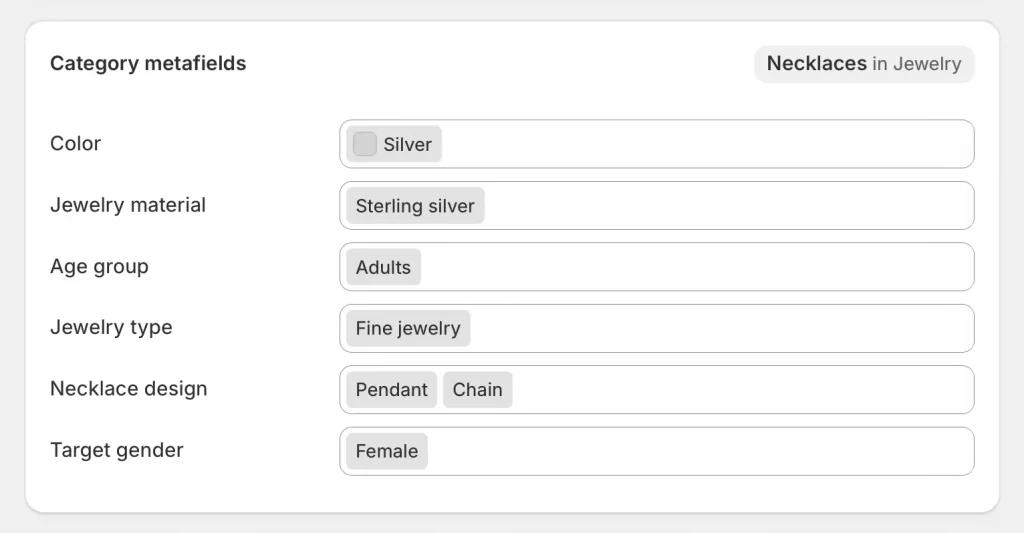
Shopify also provides category metafields for jewelry products, such as color, material, jewelry type, design, age group, and target gender. Filling in these fields helps keep product information consistent and improves filtering, product discovery, and search visibility. For jewelry stores, metafields add clarity without relying only on long descriptions.
Step 5: Price jewelry for profit
Pricing jewelry correctly is important for long term success. The price should cover all costs and still allow the business to grow.
Start by listing all costs involved. This includes materials, production, packaging, transaction fees, shipping, marketing, and your time. Many beginners forget to include small costs, which can reduce profit later.
The price should also reflect perceived value, not only material cost. Jewelry buyers often pay for design, meaning, and brand, not just raw materials. Pricing too low can make products look low quality and harm trust.
It is helpful to review similar jewelry brands in your niche and understand their price range. A clear pricing strategy makes it easier to stay profitable and adjust prices as the store grows.
Step 6: Set up payments, shipping, and fulfillment
A smooth checkout and delivery process helps customers feel safe when buying jewelry online. Simple and reliable systems reduce abandoned carts and support repeat purchases.
The store should offer trusted payment options, such as credit cards and digital wallets supported by Shopify. Fast and familiar payment methods make customers more comfortable completing their orders.
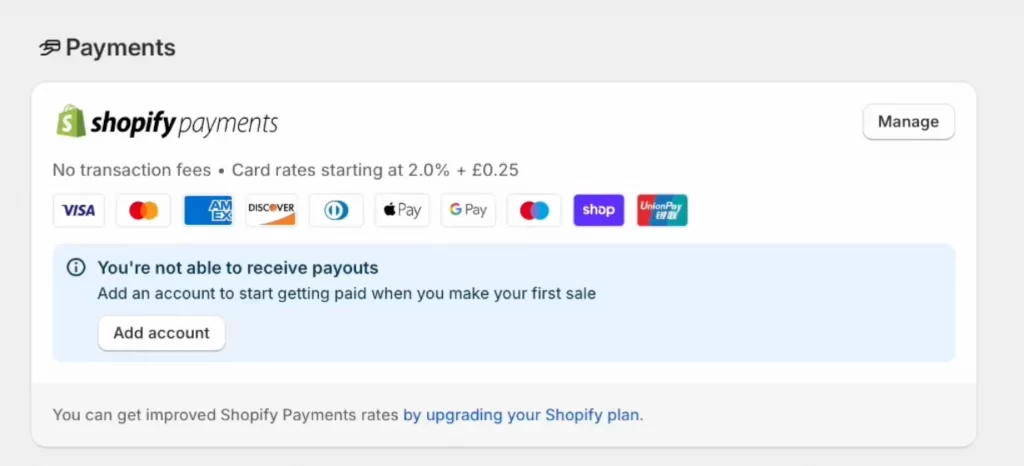
Shipping rules should be clear and easy to understand. Customers want to know delivery time, shipping cost, and how items are packed. Jewelry should be packed securely to prevent damage during delivery.
A clear returns and exchange policy is also important. Buyers feel more confident when they know what to do if the jewelry does not meet their expectations. Good fulfillment planning protects both the customer and the business.
Step 7: Market and promote your jewelry store
Once the store, products, pricing, and delivery are ready, the next step is attracting customers. Marketing works best when the foundation is already in place.
Search engine optimization helps customers find your jewelry when they search online. Clear product titles, descriptions, and collection pages support steady traffic over time. Social media is also important because jewelry is a visual product. Photos and short videos show how the jewelry looks when worn and reinforce the brand style.
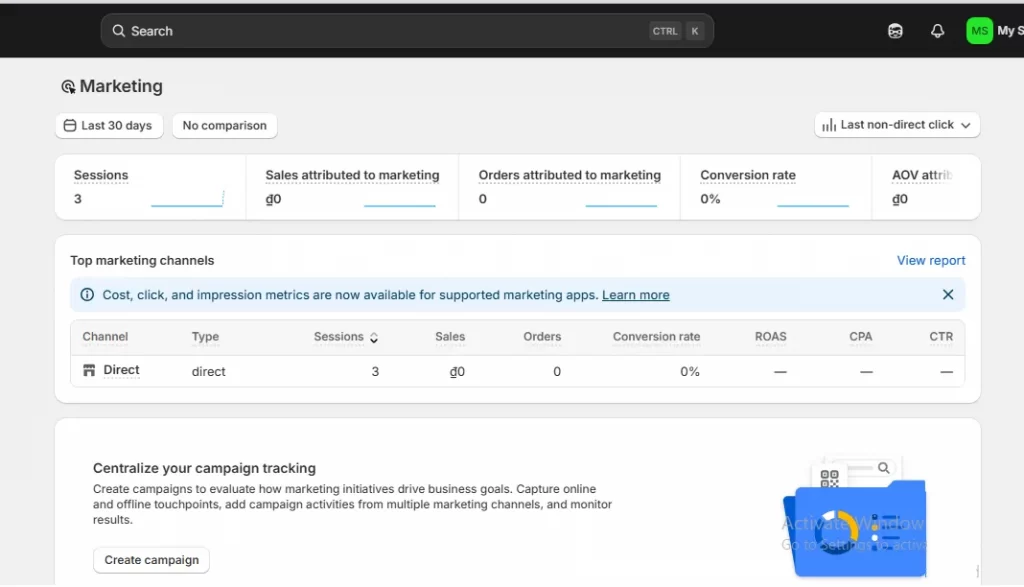
Email marketing helps keep in touch with visitors and past buyers. Simple emails about new designs or updates support repeat sales. When marketing is based on clear products and strong presentation, it supports long term growth instead of quick, risky sales.
And that’s how to sell jewelry on Shopify! These seven steps work best when followed in order. Each step builds on the previous one, from choosing the right type of jewelry to promoting the store. Skipping steps often leads to confusion, wasted effort, or poor results.
A successful Shopify jewelry store starts with a clear product idea, strong presentation, fair pricing, and reliable fulfillment. Marketing becomes effective only after these basics are in place.
Best Practices for Selling Jewelry on Shopify
Successful jewelry stores on Shopify follow a few clear rules. These practices focus on reducing buyer doubt, improving conversion, and avoiding common early mistakes.
1. Don’t trreat jewelry like a regular product
Jewelry buyers need more information and reassurance than buyers of common products. Each product page should explain what the item is, how it looks when worn, and why it is worth the price. Stores that rush sales without explanation often lose trust.
2. Be extremely clear about materials, size, and what customers receive
Every product should list exact materials, measurements, finishes, and care details. You can use simple units and avoid vague terms. Clear details reduce returns and customer support issues.
3. Use photography to reduce risk, not just to look beautiful
Photos should answer questions, not only decorate the page. You should show jewelry on real people, include close-up images, and add size references. Customers should understand scale and texture before buying.
4. Build a real brand, not just a product catalog
A jewelry store should show who is behind the brand. An About page, contact details, and consistent design help prove legitimacy. Brand story and presentation matter as much as the product itself.
5. Validate demand first, then scale carefully
Sales data and customer feedback should guide growth. Let’s start with a small product range, review performance, then improve before spending on ads or large inventory. Scaling works best after demand is proven.
Successful Shopify Jewelry Stores to Learn From
Real projects show how selling jewelry on Shopify works beyond theory. One clear example comes from hands-on work done by LitOS with a real jewelry brand.
Litos worked directly with Rings by Josh on improving the Shopify store experience, with a focus on clarity, branding, and conversion. The work was practical and execution focused, not just visual changes.
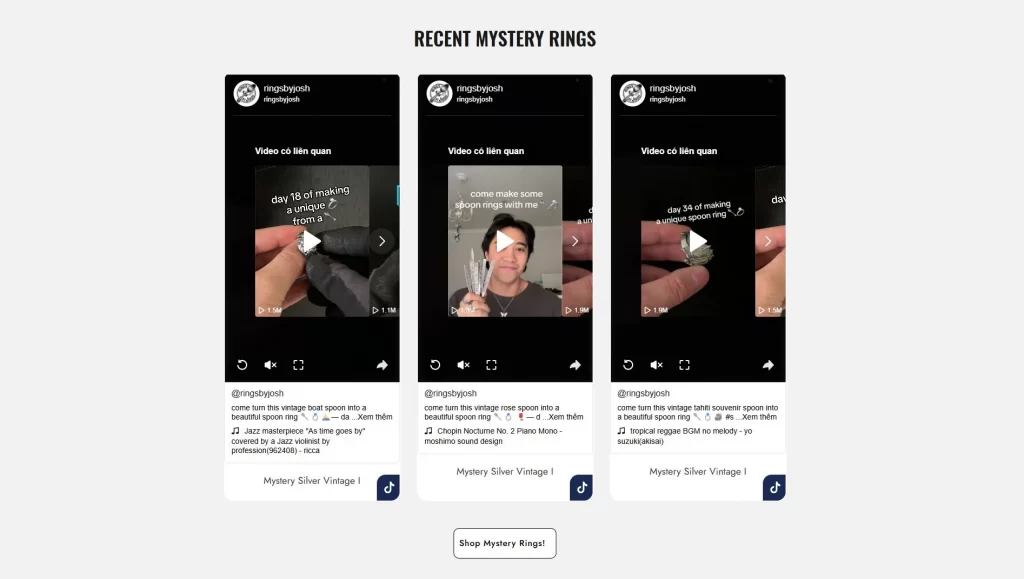
Key areas LitOS worked on included:
- Improving product page structure so buyers could understand materials, sizing, and style faster
- Strengthening brand messaging to reflect the bold and personal identity of the jewelry
- Enhancing visual presentation to support trust and confidence during purchase
- Simplifying navigation to help customers discover products more easily
This project shows how clear positioning, better presentation, and trust-focused improvements can make a real difference for a Shopify jewelry store.
More hands-on examples and detailed breakdowns of successful Shopify jewelry stores can be found here: 👉 30+ Shopify Jewelry Stores to Inspire Your Brand.
These examples show a clear pattern. Strong execution and clarity matter more than complex features or large budgets.
Top Shopify Apps for Jewelry Stores (Sizing, Reviews, Upsells)
There are many Shopify apps available for jewelry stores, but installing too many apps often creates problems instead of solutions. Extra apps can slow down the store, confuse customers, and make the shopping experience feel less trustworthy.
For most jewelry stores, only a few apps are truly important. The apps below focus on the biggest challenges in jewelry ecommerce, which are sizing clarity, customer trust, and order value. These tools solve real problems and should be added only when they support a clear goal.
| App | Best for | What problem does it solves | When to use it |
| Kiwi Size Chart | Jewelry sizing | Reduces size confusion for rings and bracelets by showing clear size charts | When selling rings, cuffs, or any jewelry with size options |
| Loox | Reviews and social proof | Builds trust with photo and video reviews from real customers | When the store needs more credibility for first time buyers |
| AfterSell | Post purchase upsells | Increases order value without interrupting checkout | When the store already converts well and wants higher AOV |
Each app should solve a clear problem, such as sizing, trust, or order value. A small number of well chosen apps usually works better than many features added at once. The best Shopify apps support clarity and trust. They should improve the buying experience, not distract from the jewelry itself.
How to Sell Jewelry on Shopify: FAQs
Can beginners sell jewelry on Shopify?
Yes, beginners can sell jewelry on Shopify. The platform is easy to use, but success depends on choosing a clear niche, presenting products clearly, and building trust with customers, not on technical skills alone.
Is starting a jewelry business worth it?
Starting a jewelry business can be worth it if you choose a clear niche and plan carefully. Jewelry has strong demand, but competition is high, so success depends on product quality, pricing, and trust rather than trends or quick sales.
Is selling jewelry on Shopify profitable in 2026?
Selling jewelry on Shopify can be profitable in 2026 if products are priced correctly and demand is validated early. Profit usually comes from good positioning, clear presentation, and trust, not from low prices or quick ads.
What kind of jewelry sells best on Shopify?
Jewelry with a clear focus often sells best. Examples include personalized jewelry, minimalist everyday pieces, handmade designs, and jewelry with meaning, such as birthstones or symbolic styles.
Why do most jewelry stores fail on Shopify even with good designs?
Many jewelry stores fail because design alone is not enough. Common problems include unclear product details, weak trust signals, poor pricing, and trying to scale before demand is proven.
Final Words
This guide showed how to sell jewelry on Shopify by focusing on clear steps that matter in real stores. Jewelry sells well online when customers understand the product, trust the brand, and feel confident before buying.
Shopify gives you the tools, but results depend on your decisions. A clear jewelry niche, consistent quality, simple store setup, and strong product pages make a bigger difference than ads or extra features. Growth works best when demand is proven first and improvements are made step by step.
Ready to build your Shopify jewelry store the right way?
At LitOS, we help jewelry brands set up and grow on Shopify with clear store structure, effective design layouts, and practical solutions that support trust and conversions. From store setup and product organization to design improvements and long-term optimization, our team works hands on to turn ideas into real results.
Contact Us
